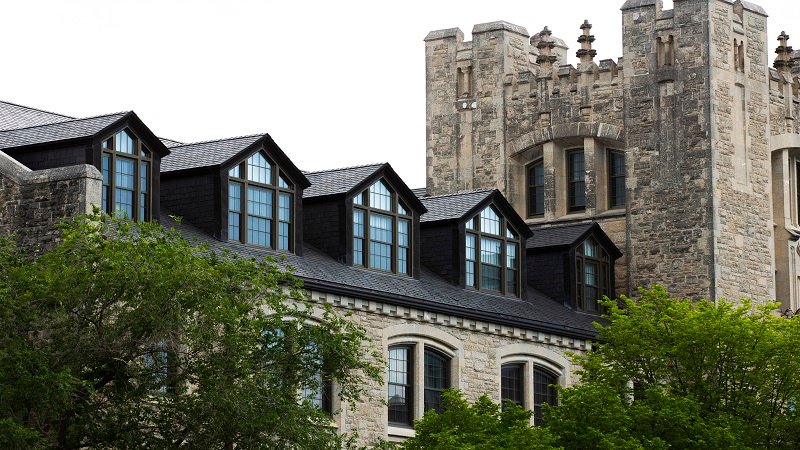
A dark green house with black trim is a striking exterior design choice that combines natural character with a bold, sophisticated appearance. Deep green siding or exterior walls create a connection with nature, while black trim adds definition, contrast, and a modern architectural edge. This color combination can work beautifully on traditional cottages, modern homes, farmhouses, Victorian-inspired properties, and contemporary houses.
Dark green has become increasingly popular in exterior design because it offers more personality than neutral colors while remaining surprisingly versatile. When paired with black around windows, doors, rooflines, shutters, or other architectural details, the result can feel elegant without being overly complicated.
Whether you are planning a complete exterior renovation or simply looking for inspiration for your next paint project, understanding how to use dark green and black effectively can help you create a home exterior that feels balanced, welcoming, and visually appealing.
Why Choose a Dark Green House With Black Trim?
The combination of dark green and black works because the two colors create a strong but harmonious contrast. Dark green brings warmth and an organic quality, while black provides a crisp visual boundary.
Green is naturally associated with trees, plants, gardens, and outdoor environments. A deep shade can therefore help a house blend beautifully into a landscape. Black, meanwhile, gives the exterior structure and emphasizes important architectural features.
One of the biggest advantages of this combination is its versatility. It can be used with wood, brick, stone, metal, or composite siding. It can also be adapted to different architectural styles.
For example, a traditional home may use dark green siding with black shutters and a black front door. A contemporary property might use large black-framed windows against deep green walls. A farmhouse could combine dark green board-and-batten siding with black metal accents and natural wood.
Choosing the Right Shade of Dark Green
Not every dark green produces the same effect. The exact shade you choose can dramatically influence the personality of your home.
Forest Green
Forest green is a classic choice for homeowners who want a rich, natural appearance. It works particularly well around mature trees, gardens, and other landscaping.
When combined with black trim, forest green can create a traditional and sophisticated exterior. Natural wood accents can soften the combination if the overall appearance feels too dark.
Deep Olive Green
Deep olive green contains subtle earthy or gray undertones. It can feel slightly softer than a highly saturated forest green.
This shade works well for homes surrounded by natural materials such as stone, wood, and brick. Black trim can make the olive tones appear richer and more defined.
Dark Moss Green
Dark moss green has an earthy character that works particularly well with rustic and cottage-style homes. It can complement stone foundations, wooden doors, and natural landscaping.
Black window frames or shutters provide contrast without taking away from the natural feeling.
Green With Gray Undertones
Some dark greens contain noticeable gray undertones. These shades can produce a more contemporary appearance.
If your home has clean architectural lines, large windows, or minimalist landscaping, a gray-green exterior with black trim can create a sophisticated modern look.
Why Black Trim Works So Well
Black trim is particularly effective because it creates strong visual boundaries. Instead of allowing the dark green exterior to appear as one continuous block of color, black highlights individual architectural elements.
Black can be used around:
- Windows
- Exterior doors
- Garage doors
- Shutters
- Roof edges
- Fascia boards
- Porch posts
- Railings
- Decorative brackets
- Exterior lighting
- House numbers
However, black trim does not need to be used everywhere. In many designs, selective use creates a more balanced appearance.
For example, dark green siding with black window frames and a black front door can provide enough contrast without making every architectural feature black.
Dark Green Siding With Black Windows
One of the most attractive versions of this design is dark green siding paired with black-framed windows.
The black frames create a strong outline around the glass. During the daytime, they provide a graphic contrast against the green walls. At night, illuminated windows can create a warm glow that contrasts beautifully with the darker exterior.
This combination is especially effective on modern homes with large windows.
For traditional properties, black window trim can also work well, particularly when combined with shutters, a porch, or decorative molding.
The Front Door as a Focal Point
The front door is one of the most important elements of an exterior design. With a dark green house and black trim, there are several directions you can take.
A black front door creates a coordinated and dramatic appearance. It connects visually with the window frames and other black details.
Alternatively, you can use a natural wood door to introduce warmth. Wood tones can prevent a dark green and black exterior from feeling too severe.
Another option is to use a muted complementary color on the door. Deep burgundy, warm brown, muted bronze, or certain neutral tones can provide subtle variation.
The best choice depends on the home’s architecture and surrounding landscape.
Adding Natural Wood Accents
Although dark green and black make a compelling combination, using only very dark colors can sometimes make an exterior feel visually heavy. Natural wood is one of the easiest ways to add warmth.
Consider incorporating wood into:
- The front door
- Porch ceilings
- Garage doors
- Pergolas
- Decorative beams
- Planter boxes
- Outdoor furniture
- Entryway details
A medium or warm wood tone can create a beautiful transition between the deep green walls and black trim.
This is particularly effective for modern farmhouse, cabin, craftsman, and rustic architectural styles.
Using Stone With Dark Green and Black
Stone is another excellent material for a dark green house.
Gray stone, fieldstone, limestone, or other natural stone textures can introduce visual interest without competing with the primary color scheme.
For example, imagine a home with dark green siding, black window trim, a natural wood door, and a stone foundation. Each material contributes something different:
- Dark green provides the dominant color.
- Black creates definition.
- Wood introduces warmth.
- Stone adds texture.
Together, these elements can create a balanced and layered exterior.
Roof Color Considerations
The roof is another major part of the overall composition.
A black or charcoal roof can coordinate naturally with black trim. This creates a unified appearance because the dark elements visually connect the top and sides of the home.
However, a dark roof is not the only option. Medium gray, weathered gray, brown, or certain metal roofing colors can also complement dark green walls.
When choosing a roof color, consider the existing materials and the amount of visual contrast you want.
A black roof combined with dark green walls and black trim produces a particularly dramatic appearance. If you prefer more variation, a gray roof can provide a softer transition.
Landscaping for a Dark Green House
Landscaping plays an important role in completing the design.
Because green is already a natural color, dark green homes can look especially attractive when surrounded by plants. However, the landscaping should provide enough contrast so that the house does not disappear into its surroundings.
Plants with lighter green leaves can help brighten the exterior. Flowering plants can introduce seasonal color around the entryway.
White, cream, pale pink, lavender, and warm yellow flowers can provide noticeable contrast against dark green walls.
Ornamental grasses are another useful option because their lighter foliage can soften the strong lines of black trim.
Trees and shrubs can also frame the home, but avoid allowing dense vegetation to completely cover important architectural details.
Lighting for a Dark Exterior
Exterior lighting becomes particularly important when using dark colors.
During daylight, the contrast between green and black can clearly define the home. At night, thoughtful lighting can prevent the exterior from becoming visually flat.
Wall sconces near the front door can emphasize the entrance. Pathway lights can guide visitors toward the house. Uplighting around trees or architectural features can create additional depth.
Warm white lighting is often useful when you want the exterior to feel inviting. It also works well with wood doors and natural stone.
Black light fixtures can blend into the trim, while bronze fixtures can introduce another subtle material.
Dark Green House With Black Trim for Different Styles
One of the reasons this color scheme remains popular is that it can adapt to many architectural styles.
Modern Homes
Modern homes can use dark green panels, simple black window frames, minimal trim, and clean landscaping.
Large expanses of glass can create an especially dramatic contrast against dark green walls.
Farmhouse Homes
A farmhouse can combine dark green board-and-batten siding with black windows, a black roof, and a natural wood door.
White or cream accents can be added selectively if you want a more traditional farmhouse appearance.
Cottage Homes
For cottages, dark green can create a cozy relationship with gardens and surrounding vegetation. Black shutters and a black door can reinforce the traditional character.
Craftsman Homes
Craftsman houses often benefit from a combination of dark green siding, black trim, natural wood, and stone.
The many architectural details found on Craftsman homes give black trim plenty of opportunities to create definition.
Victorian-Inspired Homes
A Victorian-style house can use dark green as the main exterior color while using black on window frames, decorative trim, doors, and railings.
Different textures and architectural details can make the color combination especially distinctive.
How to Avoid Making the Exterior Too Dark
Although dark green and black can look elegant, using too much of both colors may make the exterior appear heavy.
One solution is to introduce lighter elements.
A cream-colored porch ceiling, light stone foundation, natural wood door, pale landscaping, or lighter-colored outdoor furniture can provide visual balance.
Another approach is to use black selectively rather than covering every trim element.
For example, black windows and a black door may be enough. Keeping some architectural trim in the dark green or using a slightly lighter green can create additional depth.
Choosing a Trim Finish
The finish of the paint can also affect the appearance.
A low-sheen or satin finish is often useful for exterior walls because it can provide a refined appearance without excessive shine. Trim may use a slightly different finish to distinguish it from the main siding.
The exact finish should also be selected according to the exterior material and local weather conditions.
Before painting the entire house, it is wise to test samples on different sides of the building. Natural daylight changes throughout the day, and a color that looks one way in a paint store can look considerably different outdoors.
Black Trim Around the Garage
Garage doors can occupy a large portion of the front elevation, so their color deserves careful consideration.
A black garage door can connect beautifully with black windows and other trim. However, if the garage is very large, a completely black surface may become a dominant visual feature.
A dark green garage door that matches the siding, combined with black hardware and surrounding trim, can create a more understated appearance.
Alternatively, a natural wood-look garage door can introduce warmth and break up a large dark facade.
Hardware and Small Details
Small exterior details can have a surprisingly large effect.
Black house numbers, door handles, mailboxes, lanterns, railings, and planters can reinforce the color scheme.
Consistency is useful here. If you choose black hardware for the front door, repeating black in the lighting or window details can make the design feel intentional.
At the same time, not every object needs to be black. Brass, bronze, or natural wood can provide attractive accents.
Maintenance Considerations
Dark exterior colors can require thoughtful maintenance. Dust, pollen, dirt, and weathering may be more noticeable on certain dark finishes.
The durability of the paint or siding is also important. Exterior surfaces should be appropriate for the local climate and exposure conditions.
Before selecting a specific paint color, consider how much direct sunlight the house receives. Different materials and paint formulations can respond differently to prolonged exposure.
Regular cleaning and inspection can help maintain the appearance of the exterior.
Final Design Ideas
If you are considering a dark green house with black trim, several combinations can provide inspiration.
Classic combination: Dark forest green siding, black shutters, black front door, gray roof, and traditional landscaping.
Modern combination: Deep gray-green walls, black-framed windows, black roof, simple concrete walkway, and minimalist landscaping.
Farmhouse combination: Dark green board-and-batten siding, black windows, natural wood door, black metal lighting, and stone foundation.
Cottage combination: Deep moss green exterior, black shutters, wood door, flowering plants, and natural stone accents.
Contemporary combination: Dark olive-green panels, oversized black windows, black metal details, warm wood accents, and architectural landscaping.
Each approach creates a slightly different atmosphere while maintaining the same fundamental color relationship.
Conclusion
A dark green house with black trim offers a powerful combination of natural color and architectural contrast. Dark green provides depth, character, and a connection to the surrounding landscape, while black trim emphasizes windows, doors, rooflines, and other structural details.
The key to making this color scheme successful is balance. Instead of relying exclusively on two dark colors, consider adding natural wood, stone, lighter landscaping, or subtle neutral accents. Pay attention to the roof, front door, windows, lighting, and architectural style so that every element contributes to a cohesive design.
Whether your home is modern, traditional, farmhouse-inspired, cottage-style, or Craftsman, dark green and black can be adapted to create a distinctive exterior. With carefully selected shades, materials, finishes, and landscaping, this combination can give your home a timeless appearance that feels both connected to nature and confidently contemporary.